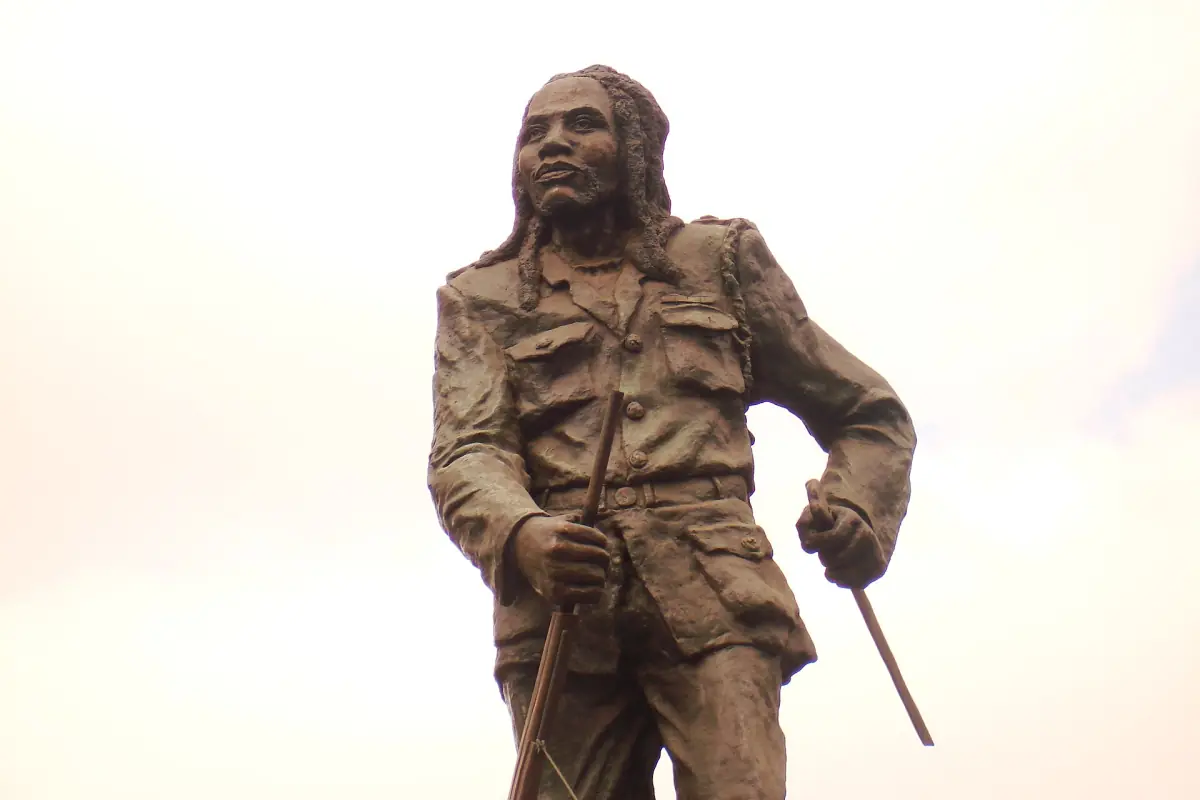
The Mau Mau uprising and the Aberdare forest
The Mau Mau uprising against British colonial rule in Kenya is part of the story of the Aberdares. The forests and moorland of the range were a place of the war, which is why this park carries that history. One concrete trace lies inside the park: a mugumo, or fig tree, used as a Mau Mau post office, where messages were left in the hollows of the trunk.
This is a subject to read with care. The war cost many lives, and no full count of victims exists. Visits to the park are best treated as a quiet way to understand the landscape. For a guided day in the Aberdares and the Nyeri area, see Aberdare day trips and tours.
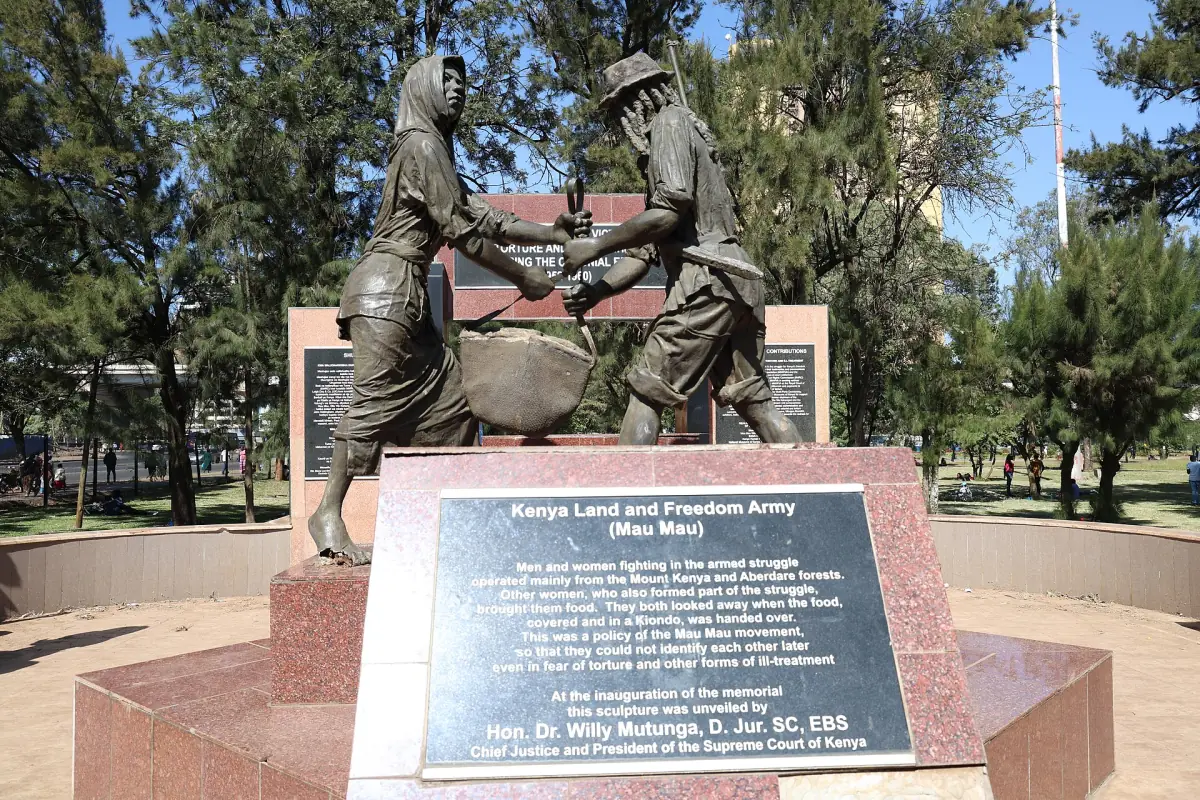
Our pick: a safari through Nyeri and the Mau Mau trails
Day one of this three-day trip covers Nyeri and the Mau Mau trails before the park days.
Hand-picked tours, booked through GetYourGuide. Prices are indicative starting prices in US dollars (as of October 2026). Tap a tour for live availability and the current price in your currency.
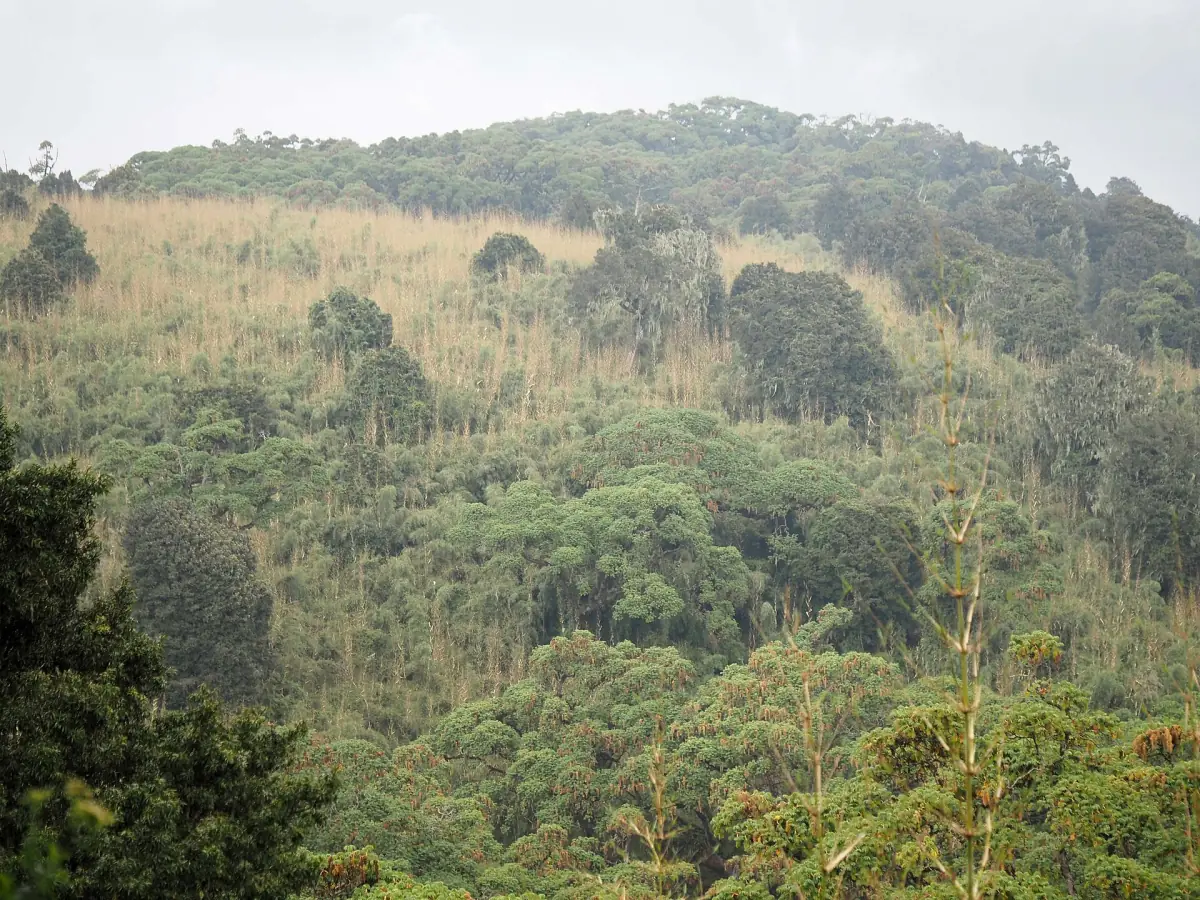
Aberdare and Nyeri tours
Guided days around the Aberdares and Nyeri, with live prices and availability.
Dedan Kimathi
The best-known leader of the forest fighters.
Capture
Dedan Kimathi was captured on 21 October 1956 at Kahiga-ini, a place also written Kihaga-ini. It is one event under two spellings, not two separate ones.
Execution
He was executed on 18 February 1957 at Kamiti. A bronze statue shows him in field dress with a stick.
The caves
Many caves in the county are linked to the war, and most lie outside the park. No cave inside the park boundary that is open to visitors is a known hiding place of Kimathi. Do not treat any cave as his hiding place without a clear local explanation.
Dates and numbers
The Emergency in Kenya ran from October 1952 to December 1963. Other spans, such as 1952 to 1960, describe something different from the Emergency period, so check what a date refers to.
In 2013 the British government announced a settlement with 5,228 claimants. The sum was GBP 19.9 million including costs, with support for a memorial. The British government kept its position that it was not legally liable. No individual payment can be worked out from these figures.
20 October is Mashujaa Day, a national holiday in Kenya. It is not the day Kimathi was captured, and there is no general park closure on this date. Check opening arrangements with KWS if you travel around it.
Visiting with respect
Practical notes for the park and the memorials.
| Place | What you can see | Note |
|---|---|---|
| Aberdare forest | The mugumo post office tree and the landscape | Ask KWS or a guide for the current location; entry applies |
| Nyeri | Memorials and historic places in town | See the Nyeri guide for the area |
| Kamiti | Where Kimathi was executed in 1957 | Not part of a park visit |
For most visitors, the most practical way to learn about the war is a guided day that combines the park with Nyeri. Plan the route with a guide from the area, and respect any rules at memorial sites. Photography rules and visit fees at individual places need to be checked on arrival.
Practical notes for the Aberdare forest
The park is open from 06:00 to 18:00, with an exception for overnight guests. Non-residents pay $70 per adult and $40 per child in 2026, and Kenya residents pay KES 1,100 and KES 675. East African citizens pay KES 800 and KES 500. Entry is valid for one visit of up to 24 hours. Payment goes through KWSPay or eCitizen. Stay on the roads and keep 20 m from wildlife, which matters in the forest where animals can appear close to the track.
If you go on foot in the forest, arrange a ranger escort in advance. The hiking page has the tariff. The park fees page lists all categories.
Mau Mau in the Aberdares: frequently asked questions
What was the Mau Mau uprising?
It was an uprising against British colonial rule in Kenya in the 1950s. The Emergency began in October 1952 and ended in December 1963.
What happened to Dedan Kimathi?
He was captured on 21 October 1956 and executed on 18 February 1957 at Kamiti.
Can I visit Dedan Kimathi's cave in the Aberdares?
No cave inside the park boundary that is open to visitors is a known hiding place of his. If a guide names one, ask for a clear explanation.
What is the Mau Mau post office tree?
It is a mugumo, or fig tree, which served as a post office: messages were left in its hollows during the war.
When was the Emergency in Kenya?
From October 1952 to December 1963. Spans such as 1952 to 1960 describe something different, so check what a date refers to.