Aberdare animals: what lives in the park
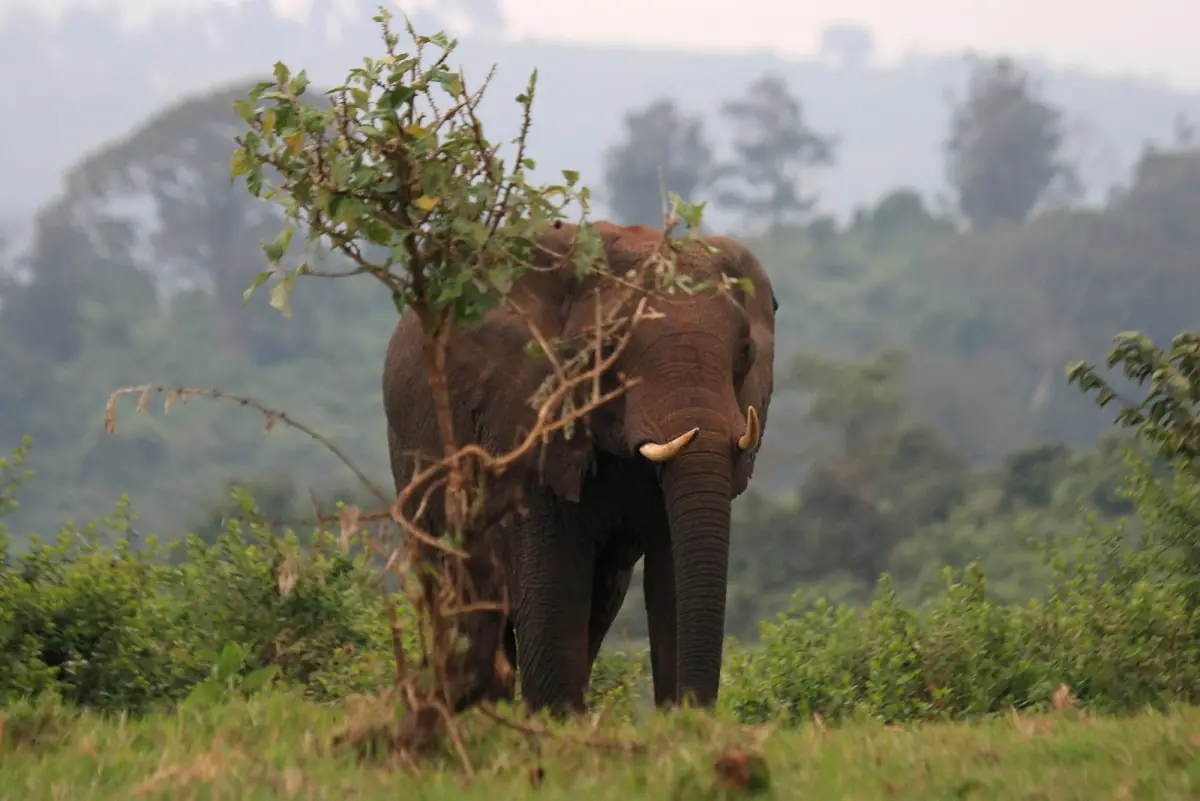
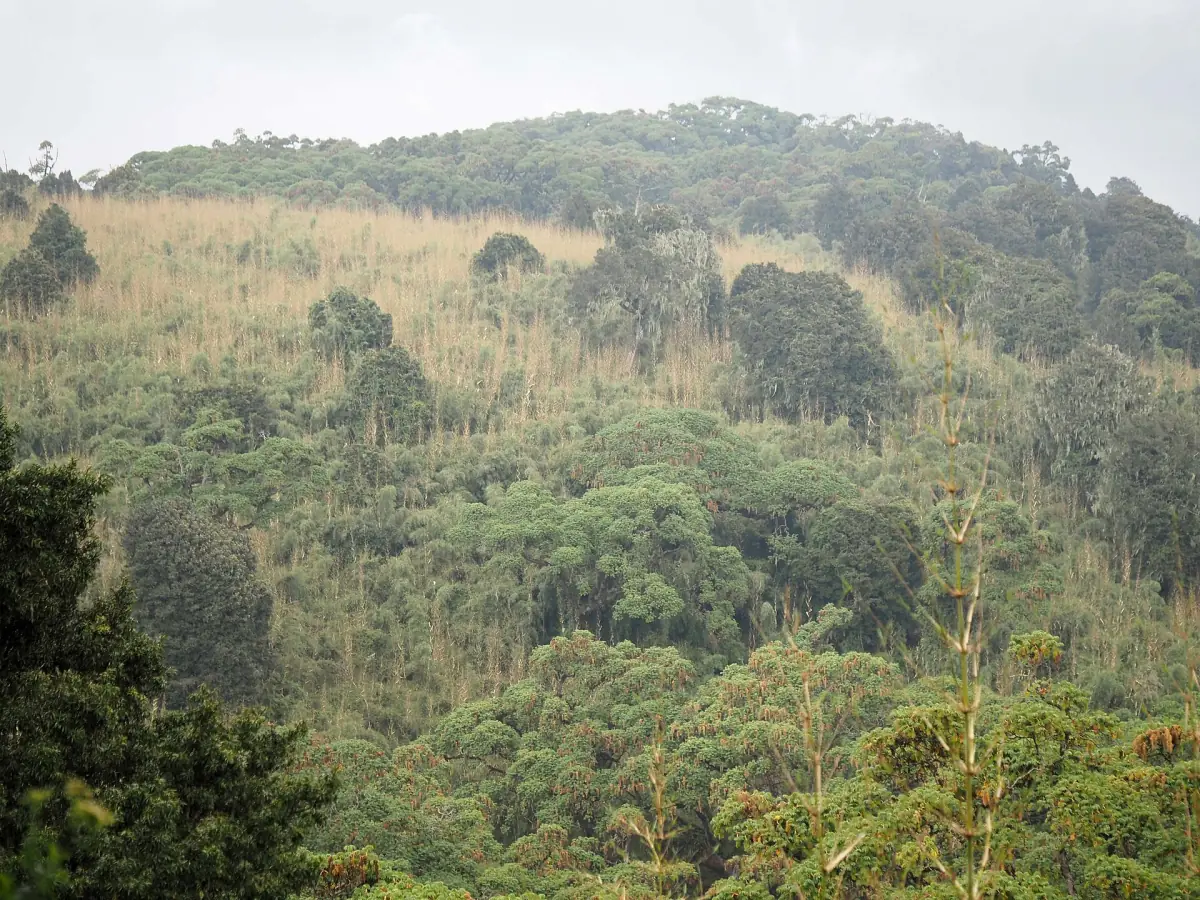
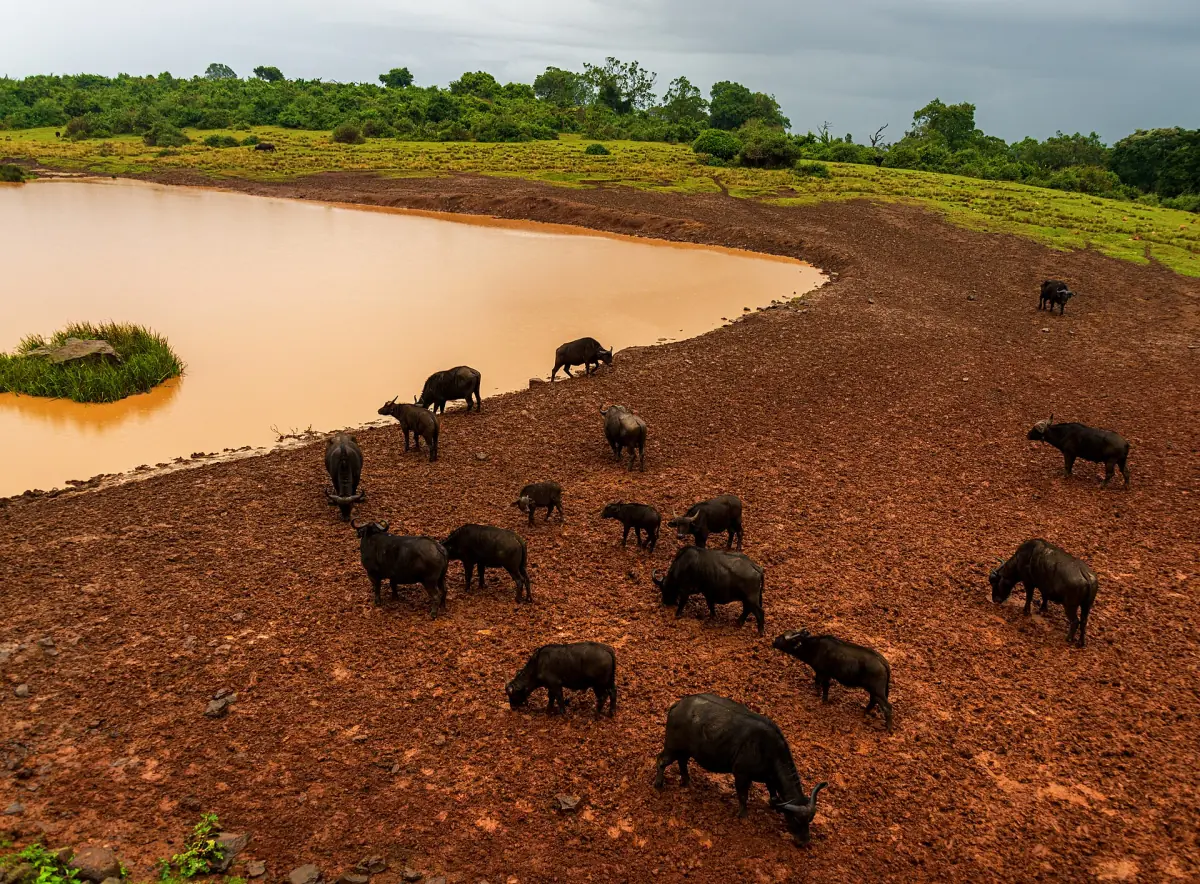
Aberdare National Park is mountain forest, bamboo and moorland, not open savanna. Elephant, leopard and bongo live in the park, along with black rhino, buffalo, giant forest hog, black-and-white colobus and other forest and antelope species. A species living in the park is not a promise that you will see it, and the dense forest makes sightings harder than on open plains.
The likeliest sightings come on a game drive along the park roads and from the waterhole viewing areas of the lodges in the lower east. For a guided day, compare Aberdare game drives and safari tours. For rhinos as a main goal, Ol Pejeta Conservancy has its own guide.
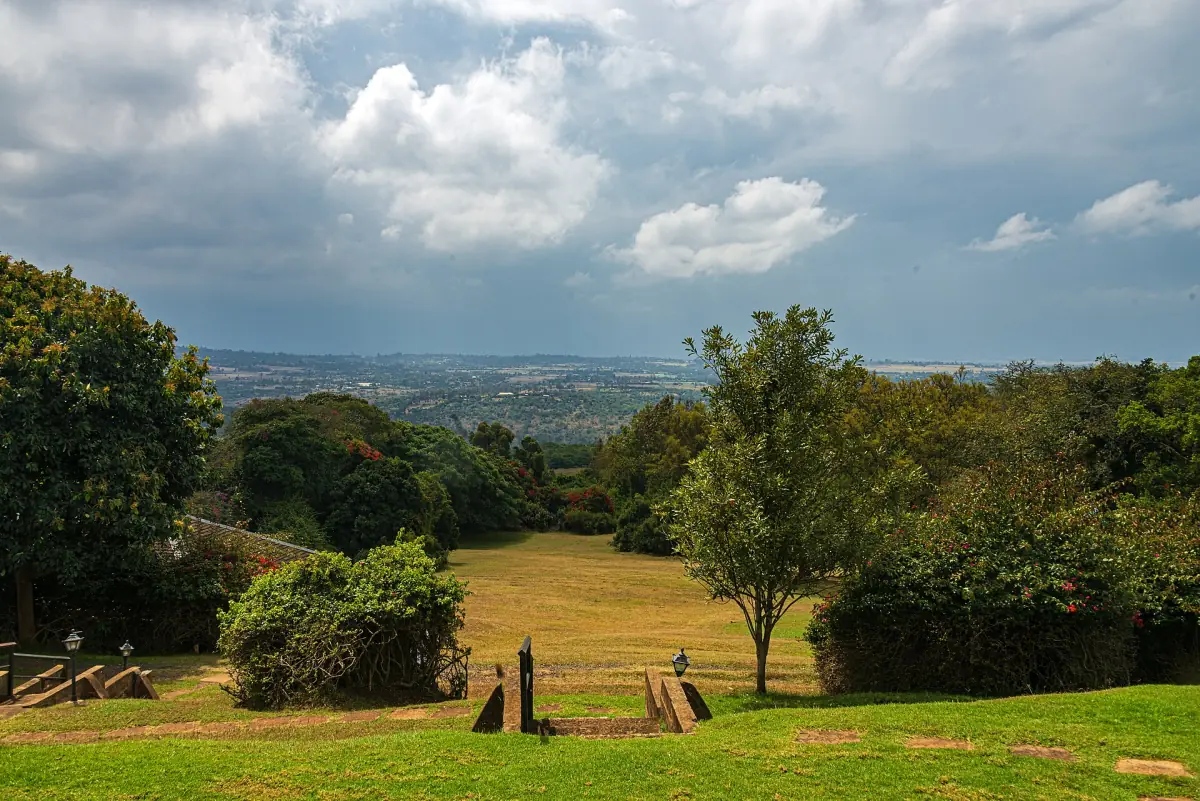
Our pick: an overnight trip with a morning game drive
The morning game drive after the lodge night is the part of this trip that gives you a chance to see the park's animals.
Hand-picked tours, booked through GetYourGuide. Prices are indicative starting prices in US dollars (as of October 2026). Tap a tour for live availability and the current price in your currency.
Aberdare wildlife tours
Guided game drives and day trips in the Aberdares, with live prices and availability.
Mountain bongo and bongo antelope
A forest antelope that is rarely seen.
The mountain bongo is a forest antelope, and the Aberdares are one of the places where it still lives. In a camera survey in 2025, 28 individuals were detected in the Aberdare population, and rangers estimate that probably fewer than 40 remain there. That is a camera count, not a full census, and it is not the total for Kenya.
In 2026, new camera records also came from the Maasai Mau forest after several years without any. The Aberdares are therefore an important home of the bongo, but not necessarily the only one. For a visitor the message is simple: a bongo sighting is rare, and a guide will not promise one. Take a bongo as a bonus, and plan the day around the forest itself.
Elephants, leopards and other animals
Who lives in the park and what to expect.
Elephants
Elephants live in the forest. Numbers change, so treat any figure you read as a rough guide only.
Leopards
Leopards live in the park, but they are not an animal to expect on a day trip.
Black rhino
A small native population of black rhino lives in the Aberdares. Sightings are not something to plan on.
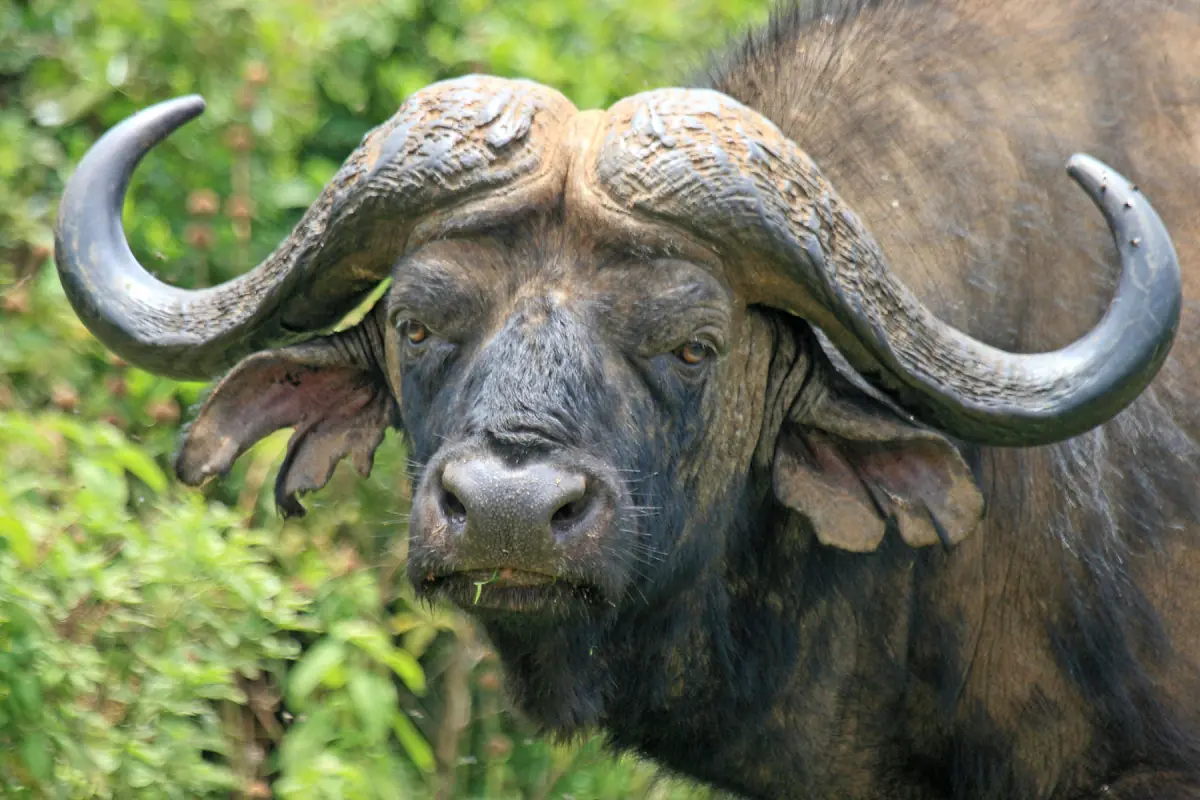
Buffalo and forest hog
Buffalo and the giant forest hog live in the park. Both are forest animals, and neither is guaranteed on a given day.
Colobus monkeys and antelope
Black-and-white colobus live in the trees, and several forest antelope species live alongside the bongo.
Birds of the Aberdares
More than 250 species.
More than 250 bird species have been recorded in the park. Jackson's francolin, hawks and eagles, sunbirds and plovers are among them. Birdwatching works as an add-on to any visit, on the moorland, along streams and at forest edges. Bring binoculars and keep to the paths.
| Way to look | Good for | Note |
|---|---|---|
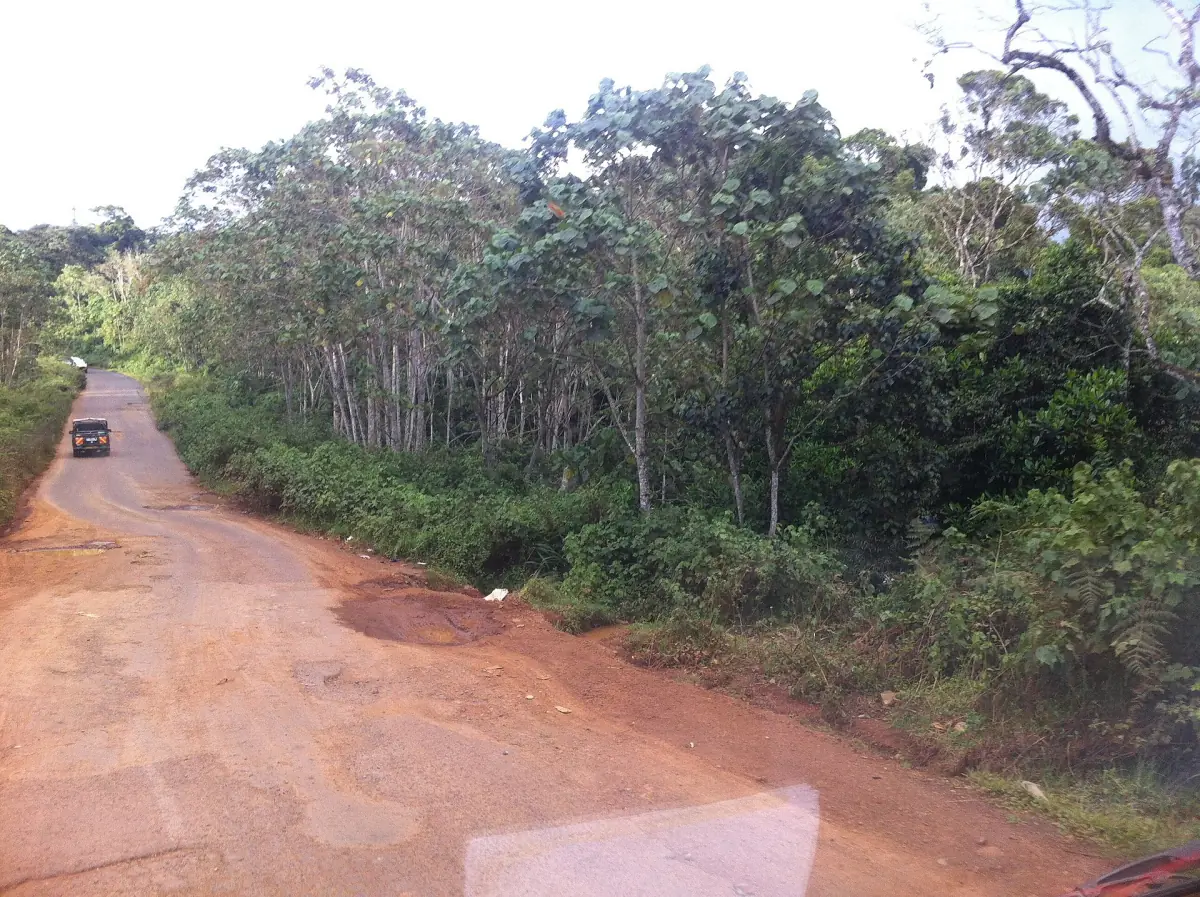
| Game drive on park roads | Elephant, buffalo, forest species | Stay on roads, keep to 40 km/h |
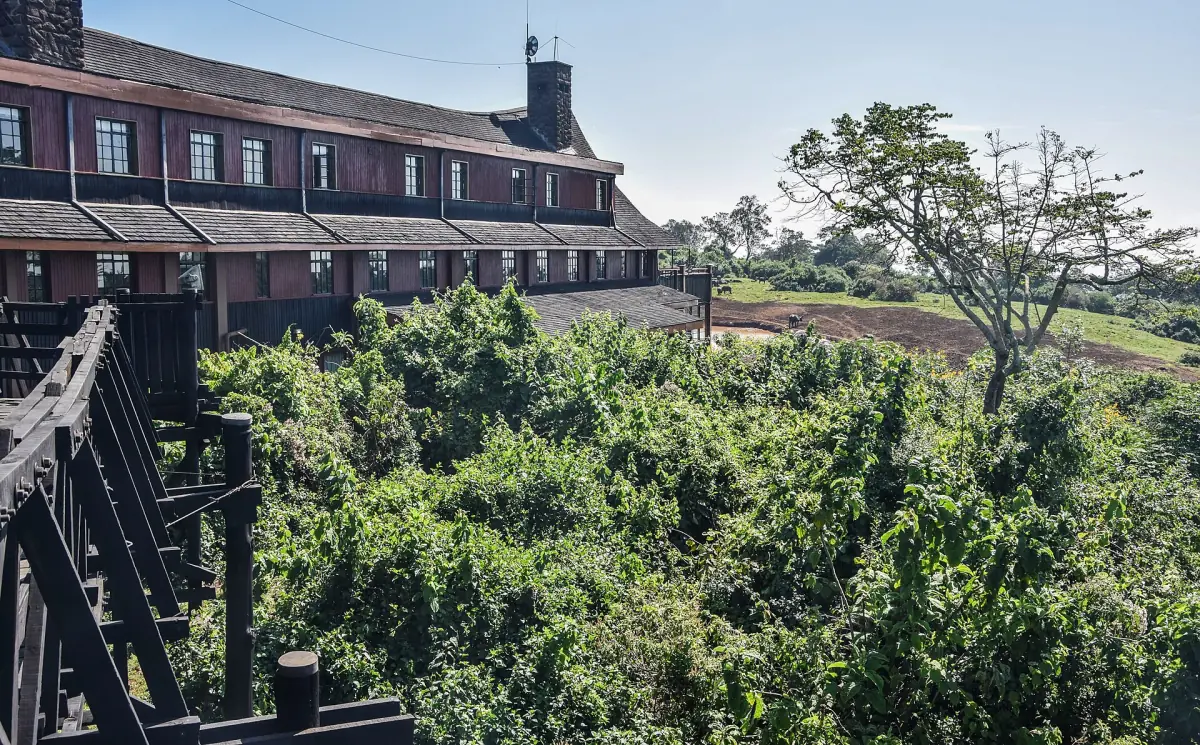
| Waterhole lodge viewing | Animals that come to the waterhole | Lodges sit in the lower east of the park |
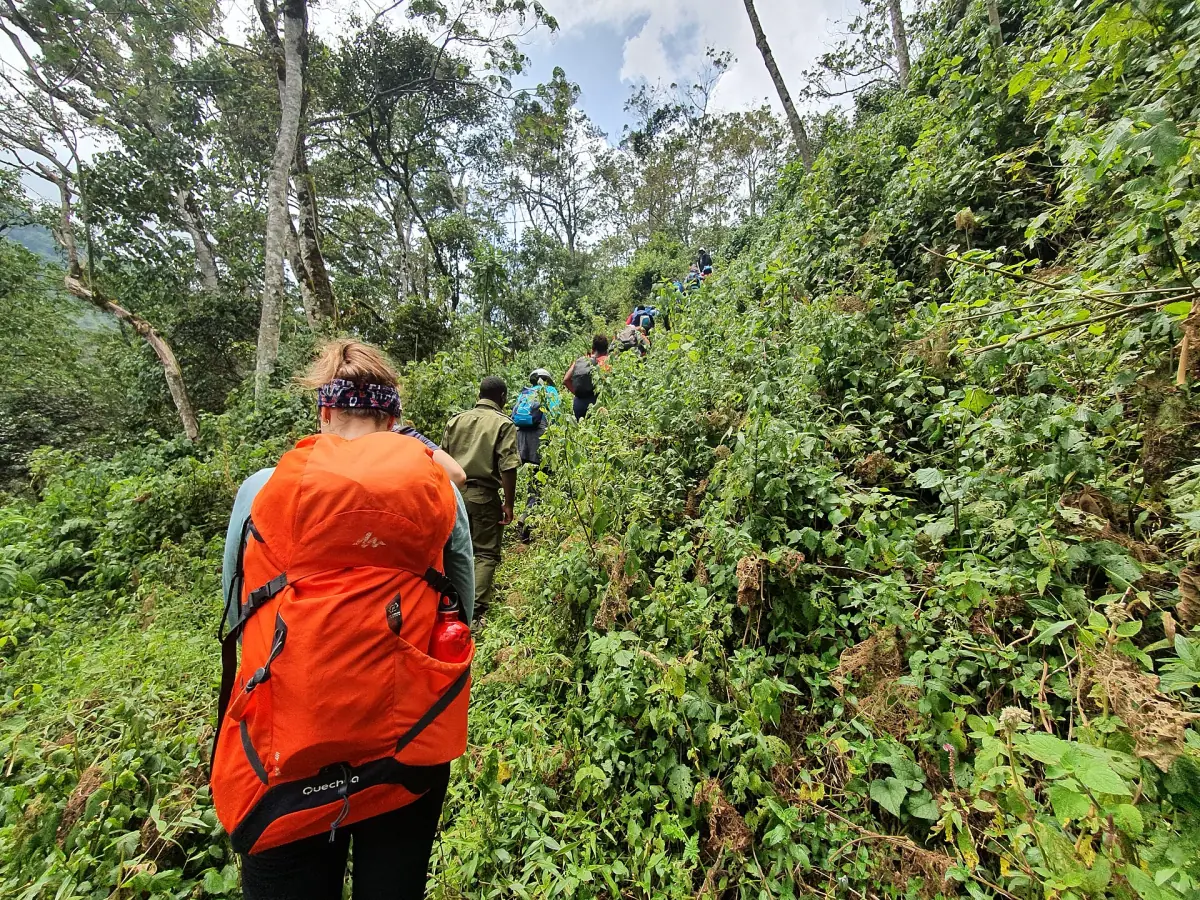
| Ranger-led hike on the moorland | Birds, landscape, tracks | Escort required; see the hiking guide |
| Night drive | Nocturnal animals | KES 3,000 (East African citizens and residents) or $50 (African citizens and non-residents); availability varies |
For most visitors, a day game drive with a stop at a waterhole viewing area is the sensible mix. Add a night drive or a hike only if you have confirmed the activity with KWS.
Rules for watching wildlife
KWS asks every visitor to follow the same rules.
Keep at least 20 m from animals. The speed limit is 40 km/h. Stay on roads and paths, do not drive off the track, and leave your vehicle only in the designated areas. Do not feed any animal. Single-use plastic is not allowed in the park. Gates are open from 06:00 to 18:00, with an exception for guests staying overnight. Entry in 2026 is $70 per adult and $40 per child for non-residents, valid for up to 24 hours.
Aberdare wildlife: frequently asked questions
Will I see a mountain bongo?
Probably not. The bongo is shy and the forest is dense. A survey detected 28 individuals by camera in the Aberdare population, and rangers estimate fewer than 40. Treat a sighting as a rare bonus.
Which animals are in Aberdare National Park?
Elephant, leopard, bongo, black rhino, buffalo, giant forest hog, black-and-white colobus and several forest antelope species live in the park. More than 250 bird species are recorded.
Can I see the Big Five in the Aberdares?
Do not plan around it. The park is forest and moorland, and sightings differ from the open plains of other Kenyan parks.
How can I see animals?
Combine a game drive with time at a waterhole viewing area. The lower east of the park, the Salient, has forest and waterhole lodges.
How close can I get to wildlife?
Keep at least 20 m from animals. Stay on roads and paths, do not drive off the track, do not feed any animal and keep to the 40 km/h speed limit.